
PPE Checklist for Factories: What to Issue for Each Hazard and Job
A PPE checklist for factories lists, for each job and hazard on the shop floor, the protective equipment a worker must wear, who issues it and when it is replaced. The simplest way to build one is to walk the plant area by area, note the hazards (falling objects, flying particles, noise, dust, chemicals, sharp edges, heat, work at height) and match each hazard to one item of PPE. This guide gives you a ready checklist table, explains PPE by hazard and by job, and covers how to issue, replace and train.
Start with a hazard walk, not a shopping list
PPE is the last line of defence. Before you choose equipment, ask whether the hazard can be removed or reduced first: a guard on a machine, a dust extraction hood, a quieter compressor, a barrier around a forklift aisle. Whatever risk remains after those controls is what the PPE has to deal with.
Walk each area with the supervisor and one or two workers who do the job every day. For each task, write down:
- What can hit, cut, crush or burn the worker (objects, tools, hot metal, moving parts)
- What the worker breathes (dust, fumes, vapours, mist)
- What the worker hears (continuous noise from presses, grinders, compressors)
- What the worker touches (chemicals, oils, sharp sheet metal, hot surfaces)
- Where the worker stands (height, ladders, platforms, wet or oily floors)
- Whether the job is near live electrical equipment
Your site’s safety rules and local regulations set the minimum PPE for each area. Check with your safety officer before you finalise the list, and keep a copy of the hazard walk with the checklist so the reason for each item is on record.
PPE by hazard: what each body part needs
Head
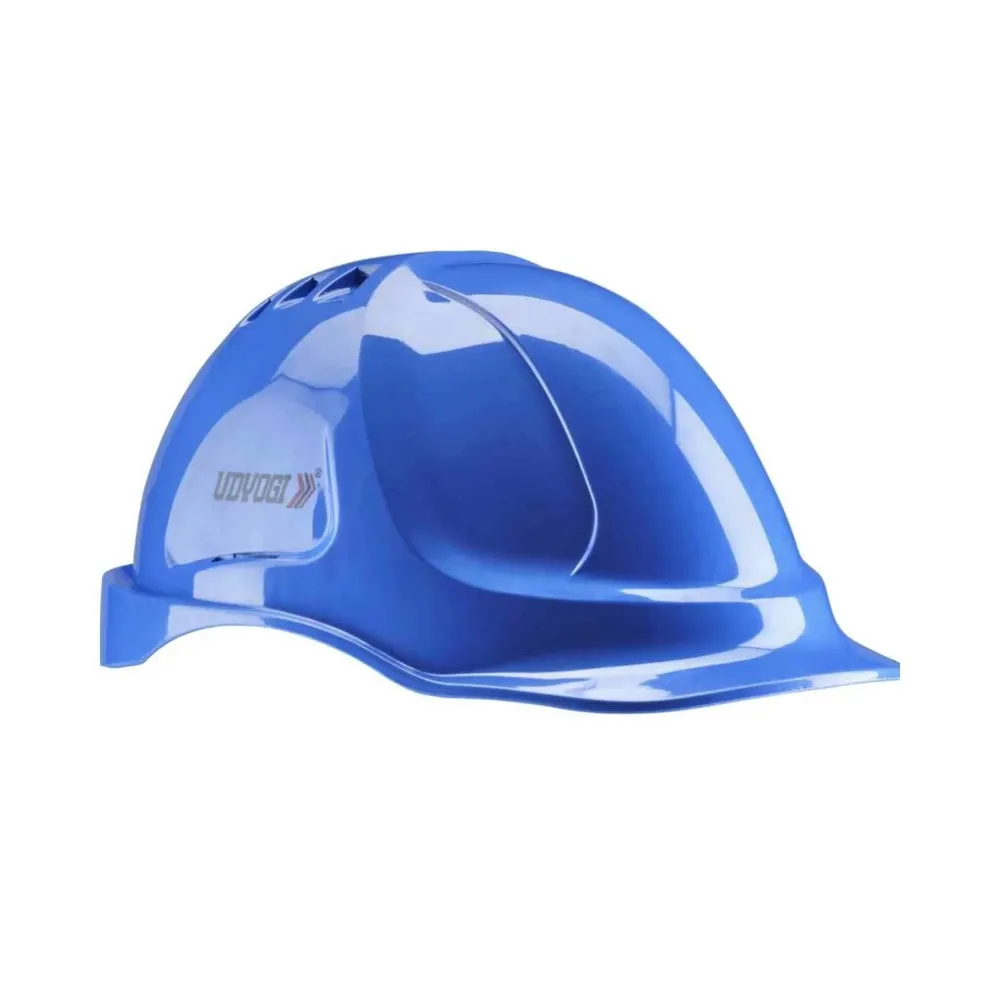
Where there is a risk of falling objects, overhead loads or bumping into fixed structures, workers need a safety helmet. Helmets with a chin strap suit work at height and in windy yards. A bump cap is only for low-clearance areas with no falling-object risk. See the range under safety helmets.
Eyes and face
Grinding, chipping, drilling and machining throw particles: safety spectacles are the basic layer. Chemical handling and splashing liquids need sealed goggles. Where the whole face is at risk, such as with grinding wheels or hot splashes, add a face shield over spectacles. Welders need a welding shield with the correct shade as the maker recommends. Browse eye protection and face protection.
Ears
If people have to raise their voice to be heard at arm’s length, the area is likely noisy enough to need hearing protection. Ear plugs are light and low-cost to issue in bulk; ear muffs are easier to check from a distance and suit workers who move in and out of noisy areas. Both are under hearing protection.
Lungs
Dust from cutting, sanding and powder handling needs at least a disposable dust respirator. Fumes, vapours and chemical mists usually need a reusable half-face respirator with the right cartridges. The choice depends on the contaminant and its level, so take advice from your safety officer. The respiratory protection category lists the options.
Hands
Gloves must match the hazard: cotton knitted gloves for light handling, PU or nitrile coated gloves for grip on oily parts, cut-resistant gloves (cut level as the maker’s rating) for sheet metal and glass, chemical gloves for acids and solvents, and leather or heat gloves for hot work. One glove type rarely fits a whole plant. See safety gloves.
Feet
Safety shoes with a toe cap protect against dropped loads and rolling trolleys. Look at sole grip for wet or oily floors, metal-free shoes where metal detectors or electrical work are involved, and gumboots for washdown areas. The range is under safety shoes.
Body and height
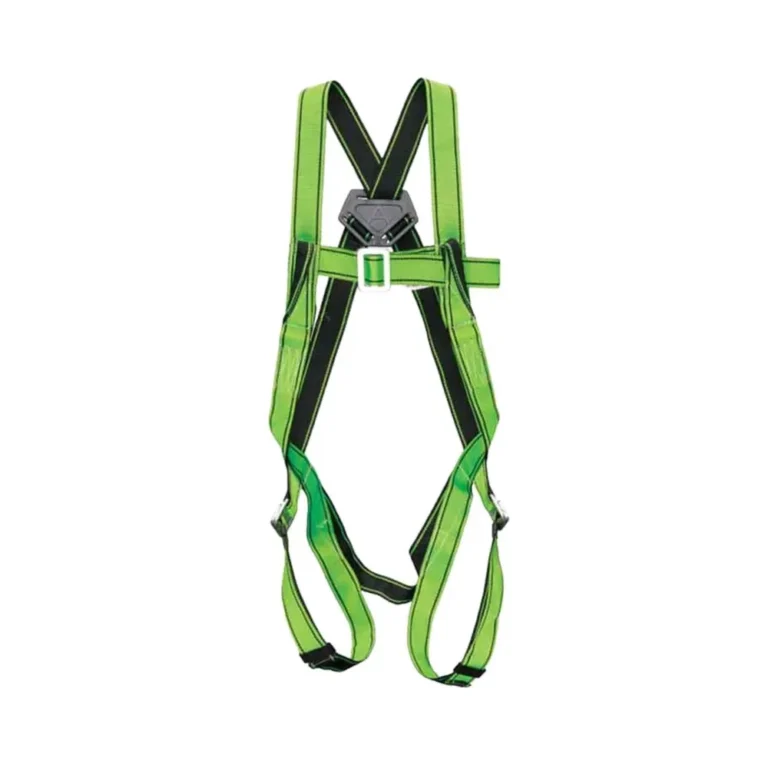
Coveralls protect against dirt and light splashes; chemical suits, flame retardant or heat clothing are for specific jobs. Anyone working at height without a fixed guardrail needs a full body harness with a suitable lanyard and anchor point. See body protection and fall protection.
PPE checklist for factories: ready table by job
Use this table as a starting point and adjust it after your own hazard walk. “Yes” means usually needed; “As needed” depends on the task and your safety officer’s view.
| Job or area | Helmet | Eye / face | Hearing | Respiratory | Gloves | Safety shoes | Other |
|---|---|---|---|---|---|---|---|
| General shop floor and assembly | As needed | Safety spectacles | As needed | No | Coated work gloves | Yes | Hi-vis vest near forklift aisles |
| Grinding, cutting, machining | As needed | Spectacles + face shield | Yes | Dust respirator | Cut-resistant gloves | Yes | Apron for sparks |
| Welding and hot work | Yes | Welding shield | As needed | Fume respirator | Leather welding gloves | Yes | Welding apron, sleeves |
| Chemical handling and stores | As needed | Sealed goggles + face shield | No | Half face with cartridges | Chemical gloves | Gumboots or chemical-resistant shoes | Chemical suit or apron, eye wash nearby |
| Paint shop and spraying | As needed | Goggles | As needed | Half face with cartridges | Nitrile gloves | Yes | Disposable coverall |
| Warehouse and loading bay | Yes | As needed | No | No | Grip gloves | Yes | Hi-vis vest |
| Maintenance and electrical | Yes | Spectacles | As needed | As needed | Electrical gloves for live work | Electrical safety shoes | Lockout devices |
| Work at height | Yes, with chin strap | As needed | As needed | As needed | Grip gloves | Yes | Full body harness, lanyard |
| Compressor and press rooms | As needed | Spectacles | Yes | No | As needed | Yes | None |
Add a column for visitors and contractors. They often enter the same areas without the right equipment, so keep a stock of helmets, spectacles, ear plugs and hi-vis vests at the security gate.
Fit, size and comfort decide whether PPE is worn
PPE that does not fit, or is uncomfortable for an eight-hour shift, ends up in a pocket. A few practical points:
- Keep shoes and gloves in a full size range, including smaller sizes for women workers.
- Choose spectacles that sit well with ear muffs and respirators; try them together.
- Offer prescription safety frames or over-spectacles for workers who wear glasses.
- In hot areas, pick vented helmets and breathable gloves where the hazard allows it.
- Respirators need a good seal on the face; beards and stubble break the seal.
Ask a few workers to wear sample items for a week before you place a bulk order. Their feedback costs nothing and saves you from a stock that nobody wants to wear.
Issue, inspect and replace: keeping the checklist alive
A checklist on paper is only useful if the equipment reaches the worker and stays in good condition. Set up a simple system:
- Issue register: record the worker’s name, department, item, size and date of issue. Have the worker sign for it.
- Daily check by the user: cracks in helmets, scratched lenses, torn gloves, worn soles, frayed harness webbing.
- Periodic check by the supervisor: walk the floor and note who is wearing what. Harnesses and lanyards need a closer inspection as the maker recommends.
- Replacement rules: replace any item that is damaged, has taken an impact or a fall, or has reached the maker’s service life. Disposable items such as ear plugs and dust masks are replaced per shift or when soiled.
- Storage: clean, dry racks or lockers away from sunlight, oil and chemicals.
Keep a small buffer stock of fast-moving items (gloves, ear plugs, dust masks, spectacles) so that a worker never starts a shift without them.
Train people on why, how and when
Workers wear PPE more consistently when they understand the hazard it protects against. Training should cover why each item is needed in that area, how to put it on and adjust it, how to check it before use, how to clean and store it, and when to ask for a replacement. Include a short practical session: fitting a harness, seating ear plugs, checking a respirator seal. Our industrial safety training covers PPE use as part of a wider shop-floor programme, and work at height training covers harness use in detail.
Indicative prices for common factory PPE
These live starting prices help with a first budget. They are a guide before GST; the final price, based on quantity and options, comes with the quote.
- Udyogi ABS safety helmet: from ₹250.00
- Karam safety spectacles: from ₹541.00
- Udyogi ear plugs: from ₹8.00
- Udyogi nitrile coated gloves: from ₹35.00
- Karam leather safety shoes: from ₹1,800.00
- Udyogi full body harness: from ₹500.00
Next step: build your factory PPE order
Once your checklist is ready, the industrial safety section lists helmets, eye, hearing, hand, foot, body and fall protection from several brands. Send your list of items, sizes and quantities on WhatsApp or by email, and we will share a quote with a GST invoice and Pan-India delivery.