

Types of Respirator Masks: Disposable, Half Face and More
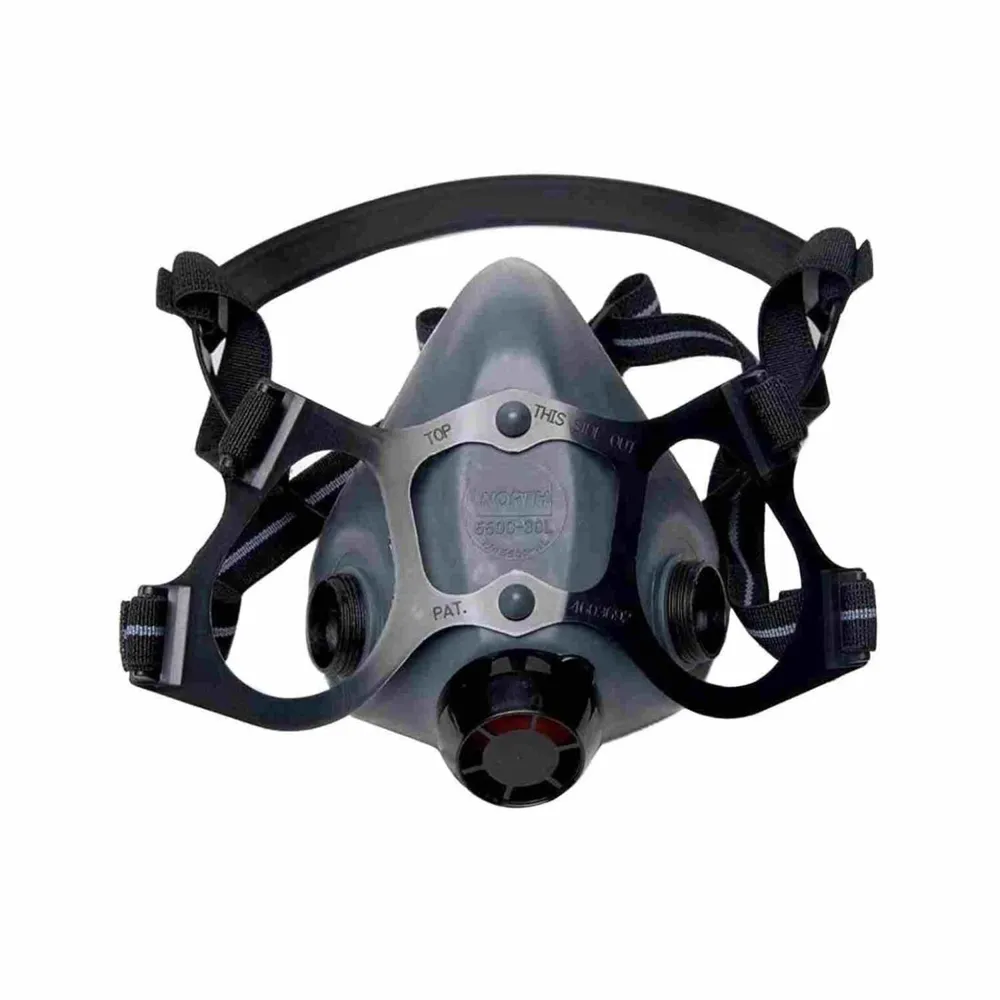
The main types of respirator masks used at work are disposable dust respirators, reusable half-face respirators with replaceable filters or cartridges, full-face respirators, powered air-purifying respirators (PAPR) and air-supplied systems. Disposable masks suit dust and light particles, half-face masks with cartridges suit vapours and fumes, and air-supplied systems are for situations where filtering the air is not enough. This guide explains each type, when to use which, and how fit and replacement decide whether a respirator actually protects.
Respirator or face mask: know the difference
A 3-ply surgical or cloth mask is mainly meant to stop the wearer’s own droplets reaching others. It is loose at the sides and is not designed to filter fine dust or fumes from the air the wearer breathes. A respirator is built to seal on the face so that the air passes through the filter material, not around it.
For industrial dust, fumes, vapours or mists, a worker needs a respirator. Simple face masks still have a place in food handling, clean areas and general hygiene, but they are a different product with a different job.
Disposable dust respirators
Disposable respirators are single-use masks made of filter material. They come in two common shapes:
- Cup (moulded) masks: hold their shape, are easy to put on and are comfortable for long shifts.
- Fold-flat masks: pack flat, are easy to carry in a pocket and store hygienically.
Many have an exhalation valve, which reduces heat and moisture inside the mask in hot work areas. Makers grade their disposable masks by filter efficiency, using classes such as FFP1, FFP2, FFP3 or N95. On this site those classes appear only as the maker’s rating; ask your safety officer which level your dust needs.
Disposable respirators are suitable for dust from cutting, sanding, grinding, cement and powder handling, and for some non-oily mists. They do not protect against gases or solvent vapours, and they are not for oxygen-deficient spaces. You can compare cup and fold-flat models under disposable respirators, such as the Venus cup respirator mask and the Karam disposable respirator.
Reusable half-face respirators with cartridges
A half-face respirator is a rubber or silicone facepiece that covers the nose and mouth, with one or two filter or cartridge ports. The body is reused; only the filters and cartridges are changed. This makes it the usual choice for paint shops, chemical stores, pesticide handling, solvent cleaning and welding fume.
There are two kinds of replaceable element:
- Particulate filters: trap dust, fume and mist particles.
- Gas and vapour cartridges: contain activated carbon or other media that absorb specific gases. Makers colour-code them by type, for example organic vapours, acid gases, ammonia and combination types such as ABEK.
Where both particles and vapours are present, as in spray painting, a combination cartridge or a cartridge with a pre-filter is used. Matching the cartridge to the chemical is the most important step, so check the chemical’s safety data sheet and the maker’s selection chart. See the 3M reusable respirator, the Honeywell half face respirator and the matching 3M cartridges and filters or Venus ABEK gas filters.
Full-face, powered and air-supplied respirators
Full-face respirators
A full-face respirator covers the eyes, nose and mouth with one visor. It uses the same idea of filters and cartridges, but also protects the eyes from irritant vapours and splashes. It is used where the contaminant irritates the eyes or where a higher level of protection is needed.
Powered air-purifying respirators (PAPR)
A PAPR uses a battery-powered blower to push filtered air into a hood, helmet or facepiece. The wearer does not have to breathe through the filter, so it is more comfortable for long or heavy work, and some hoods work with beards. See the Venus powered air purifying respirator.
Airline and self-contained breathing apparatus
When the air itself is unsafe to breathe, such as in confined spaces with low oxygen or very high concentrations of a toxic gas, no filter is enough. These jobs need an airline respirator fed from a clean air source, or a self-contained breathing apparatus with its own cylinder. Such equipment needs a trained user and a site procedure; decide on it with your safety officer.
Types of respirator masks: when to use which
This table is a general guide. The final choice depends on the substance, its level in the air and your safety officer’s assessment.
| Work situation | Main hazard | Usual respirator type | Replaceable part |
|---|---|---|---|
| Sanding, grinding, cement, powder bagging | Dust particles | Disposable dust respirator | Whole mask |
| Long dusty shifts with heavy breathing | Dust particles | Half face with particulate filters, or PAPR | Filters |
| Welding and metal cutting | Metal fume | Valved disposable for light work, half face with particulate filters for regular work | Mask or filters |
| Spray painting, solvent cleaning | Vapours and mist | Half face or full face with combination cartridges | Cartridges and pre-filters |
| Acids, ammonia, chemical stores | Gases and vapours | Half face or full face with the matching gas cartridge | Cartridges |
| Irritant vapours affecting the eyes | Vapours | Full-face respirator | Cartridges |
| Confined space, low oxygen or unknown air | Unsafe air | Airline respirator or breathing apparatus | Air supply |
Fit and seal: the part most people skip
A respirator only works if air goes through the filter. Any gap between the mask and the face lets unfiltered air in. To get a good seal:
- Choose the right size. Many half-face masks come in small, medium and large.
- Wear the mask on clean-shaven skin. Beards and heavy stubble under the seal stop it from working properly.
- Place both straps correctly; on disposable masks, press the metal nose clip around the nose with both hands.
- Do a seal check each time: cover the filter area and breathe in gently, the mask should pull slightly towards the face; breathe out, and no air should escape at the edges.
- Check that spectacles, goggles and helmets do not push the mask out of place.
Many sites also carry out a formal fit check when a worker is first issued a respirator model. Your safety officer can arrange this. Our respiratory protection training covers selection, fitting and seal checks with practical sessions.
Replacement and care
- Disposable masks: replace at the end of the shift, or sooner if the mask is damaged, wet, dirty inside or harder to breathe through.
- Particulate filters: replace when breathing becomes noticeably harder or the filter is damaged or soiled.
- Gas and vapour cartridges: these do not show when they are used up. Replace them on a schedule set by the maker’s guidance and your safety officer, and at once if the wearer smells or tastes the chemical.
- Facepieces: clean after use as the maker recommends, check valves and straps, and store in a clean, closed bag or box away from sunlight and chemicals.
Mark the date of first use on cartridges and keep spare filters at the point of use, so workers are not tempted to stretch them.
Indicative prices and next step
Live starting prices for a first budget, shown as a guide before GST; the final price comes with the quote:
- Venus cup respirator mask: from ₹74.00
- Karam disposable respirator: from ₹550.00
- 3M reusable respirator: from ₹900.00
- 3M respirator cartridges and filters: from ₹350.00
The full range of disposable, reusable, powered and air-supplied options is in the respiratory protection category. Share the work, the substance and the number of users on WhatsApp or by email, and we will suggest suitable models and send a quote with a GST invoice and Pan-India delivery.


