

How to Choose Safety Gloves for Cut, Chemical, Heat and Electrical Work
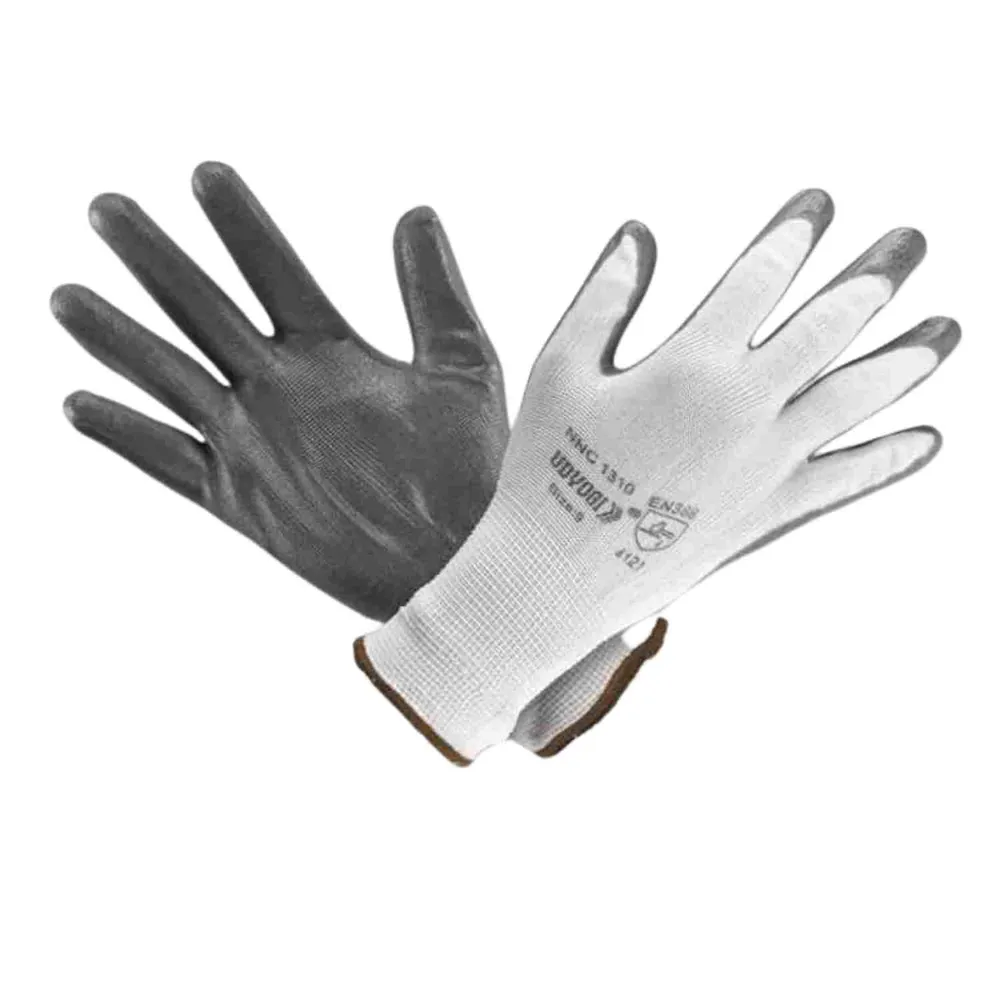
To know how to choose safety gloves, start with the hazard, not the glove: decide whether the main risk is cuts, chemicals, heat, electricity or simple abrasion, then pick the material and coating that handle it, and finally get the size right. A glove that protects against one hazard can be useless, or even unsafe, against another. This guide walks through each step for purchase teams, supervisors and safety officers.
How to choose safety gloves in four steps
- List the tasks. Walk the line and note what each worker touches: sheet metal, glass, solvents, hot parts, live panels, cartons or oily components.
- Name the main hazard for each task. Where there are two, such as cut and oil, look for a glove that covers both rather than doubling up.
- Match the material and coating. Use the sections below and the maker’s ratings to shortlist two or three options.
- Trial on the floor. Give a few workers samples for a week. Grip, dexterity and comfort decide whether gloves are actually worn.
Your site’s safety rules and local regulations set the minimum, so check the final choice with your safety officer.
Gloves by hazard
Cut and puncture
Sheet metal, glass, blades and sharp castings call for cut resistant gloves knitted from high-performance yarns, often with a PU or nitrile palm for grip. Makers grade them with a cut level; treat it as the maker’s rating and pick a higher level for sharper edges. Cut resistant gloves suit most press shops and glass handling. For knife work in meat and fish processing, chain mesh gloves are the usual choice. Cut resistant gloves are not designed to stop a powered blade or a rotating tool, so never rely on them near moving machinery.
Chemical splash and immersion
No single material resists every chemical. Nitrile handles oils, fuels and many solvents; PVC and rubber suit acids, alkalis and wet work; thin disposable nitrile gives splash protection for short tasks. Always check the chemical name against the maker’s resistance chart and the safety data sheet. Longer cuffs keep liquids from running down the wrist. Range examples: nitrile chemical gloves and PVC and rubber chemical gloves.
Heat and welding
Leather, aramid and aluminised materials protect against contact heat, sparks and radiant heat. Welding gloves are usually split leather with long cuffs. For handling hot parts out of ovens or furnaces, choose heat resistant gloves with the maker’s temperature rating above your working temperature, and remember that contact time matters. Gloves get hot through if held against a surface too long.
Cold and cryogenic
Cold stores need insulated gloves that still allow grip. Liquid nitrogen and other cryogenic liquids need dedicated cryogenic gloves that are loose enough to throw off quickly if liquid gets inside. Do not use ordinary winter gloves for cryogenic work.
Electrical work
Live electrical work needs rubber insulating gloves rated by the maker for the voltage class, usually worn with leather over-gloves to protect the rubber. Before every use, roll the cuff to trap air and look and feel for leaks, cuts or soft spots. Store them flat or cuff down, away from sunlight, oil and heat, and follow the maker’s schedule for periodic electrical checks. Electrical rubber gloves are one part of a safe system that also includes isolation and lockout.
General handling
Most workers in stores, assembly and maintenance need comfort, grip and abrasion protection rather than special materials. Knitted cotton or polyester liners with a coated palm do this well, and they are cheap enough to replace often.
Mixed hazards and dexterity
Many tasks combine hazards, such as sharp and oily parts, or heat with a risk of cuts. In these cases, look for a glove that lists both protections in the maker’s ratings instead of wearing two pairs, which cuts dexterity and makes workers more likely to take gloves off. Thinner gloves give better feel but less protection, so for fine assembly balance gauge against the real risk. Where workers must wear gloves near rotating machines such as drills and lathes, ask your safety officer first, because a glove caught in a rotating part can pull the hand in.
Glove coatings compared
The coating on the palm and fingers decides grip and how long the glove lasts. Here is how the common coatings compare.
| Coating | Grip | Good for | Watch out for |
|---|---|---|---|
| Nitrile | Good in dry and oily conditions | Machining, automotive parts, oily components | Foam nitrile is softer; flat nitrile is more liquid-resistant |
| PU (polyurethane) | Fine, light grip | Assembly, electronics, small parts | Thin coating wears faster on rough work |
| Latex (natural rubber) | Strong grip, especially wet | Construction, glass, bricks, wet handling | Can cause allergy in some users; poor with oil |
| PVC dots | Basic grip, low cost | Cartons, packing, light handling | Little cut or liquid protection |
| Uncoated knit | Low | Liners, very light handling | Slippery on smooth items |
Coating coverage also matters. Palm-coated gloves keep the back of the hand cool. Three-quarter or fully dipped gloves keep oil and water off the knuckles. Range examples include nitrile coated gloves for oily work and PU palm gloves for fine assembly.
Sizing and fit
A glove that is too big folds over and catches; one that is too small tires the hand and splits early. Measure around the palm just below the knuckles, without the thumb, on the dominant hand. Most makers use a number size, and a common scale is shown below. Always check the maker’s own chart, as sizes vary.
| Hand circumference | Common glove size | Letter size |
|---|---|---|
| About 15 to 17 cm | 6 to 7 | S |
| About 18 to 20 cm | 8 | M |
| About 20 to 23 cm | 9 | L |
| About 23 to 25 cm | 10 | XL |
| About 25 cm and above | 11 | XXL |
For a bulk order, ask supervisors for a size count by team. Most sites end up with a spread across M, L and XL, with a smaller share of S for women and slim hands.
Care, storage and replacement
Inspect gloves at the start of each shift for holes, worn coating, stiffness or swelling. Swollen or sticky chemical gloves have absorbed chemical and must be replaced. Wash reusable knitted gloves as the maker recommends and dry them away from direct heat. Keep spares at the workstation, because workers who run out often work bare-handed. Disposable gloves are single use: take them off by peeling from the cuff so the outside never touches skin.
Prices and ordering
Glove prices vary with material, coating and pack size. As a guide, current starting prices for a few common types are:
- Nitrile coated work gloves: from ₹35.00
- Cut resistant gloves: from ₹100.00
- PVC and rubber chemical gloves: from ₹60.00
- Electrical rubber gloves: from ₹600.00
These prices are a guide before GST. The final price, based on quantity and sizes, comes with your quote. Every order has a GST invoice, with Pan-India delivery.
Next steps
You can compare materials and coatings across brands in the safety gloves range. If you are unsure which glove fits a task, send us the task, the hazard and the quantity on WhatsApp or by email, and we will suggest two or three options with a quote.


